

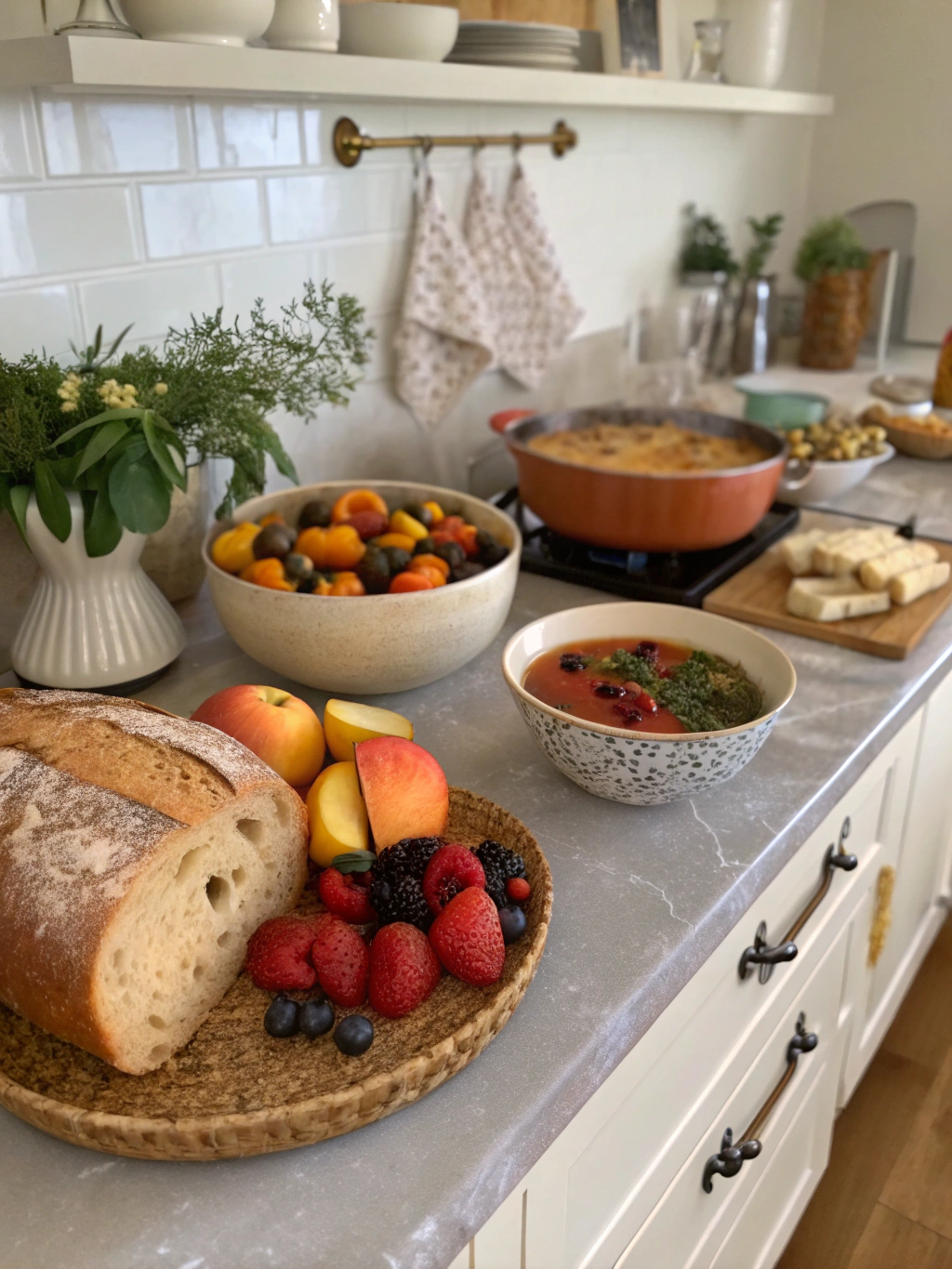
8 Slow Living Saturday Ideas to Nourish Your Soul & Recharge Naturally
Intriguing Introduction
Are you among the 68% of women who report feeling constantly rushed and overwhelmed? In our hyper-connected world, the pressure to be productive every moment has left many of us depleted, anxious, and disconnected from ourselves. What if Saturdays could be different? Slow living Saturday ideas offer a revolutionary approach to reclaiming your weekend as sacred time for restoration rather than just another day to check off tasks. By embracing slowness intentionally, you create space for genuine rest, reflection, and rejuvenation—practices our bodies and minds desperately need in this age of constant hustle.
Ingredients List
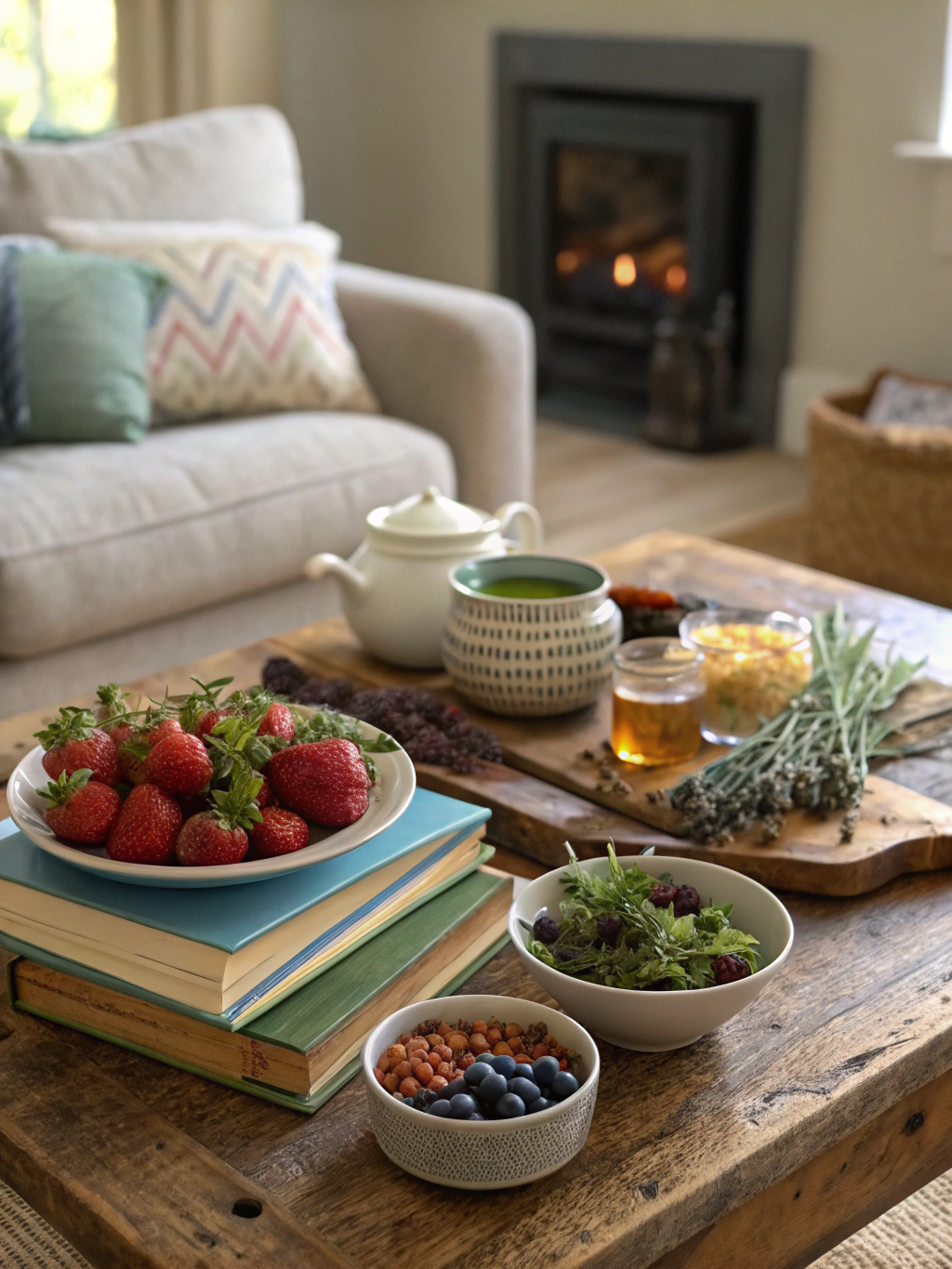
To create your perfect Slow Living Saturday, you'll need:
- A clear intention to move slowly (the most important ingredient!)
- Comfortable, loose-fitting clothing that feels good against your skin
- A cozy space where you feel safe and relaxed
- Your favorite warm beverage (herbal tea, coffee, matcha)
- A journal and pen for reflection
- Warm socks or slippers
- Optional: essential oils (lavender, bergamot or chamomile work wonders)
- A "do not disturb" mindset and perhaps a literal sign for your door
- Device-free periods (the secret sauce to true presence)
Timing
The beauty of Slow living Saturday ideas is their flexibility. Each practice below can take anywhere from 15 minutes to a full hour, depending on your schedule and needs. Remember, even dedicating 20 minutes to intentional slowness—less time than watching a Netflix episode—can dramatically shift your energy and outlook. The entire day doesn't need to be structured around slowness; even peppering in 3-4 slow living practices throughout your Saturday can transform your weekend experience.
Step-by-Step Guide
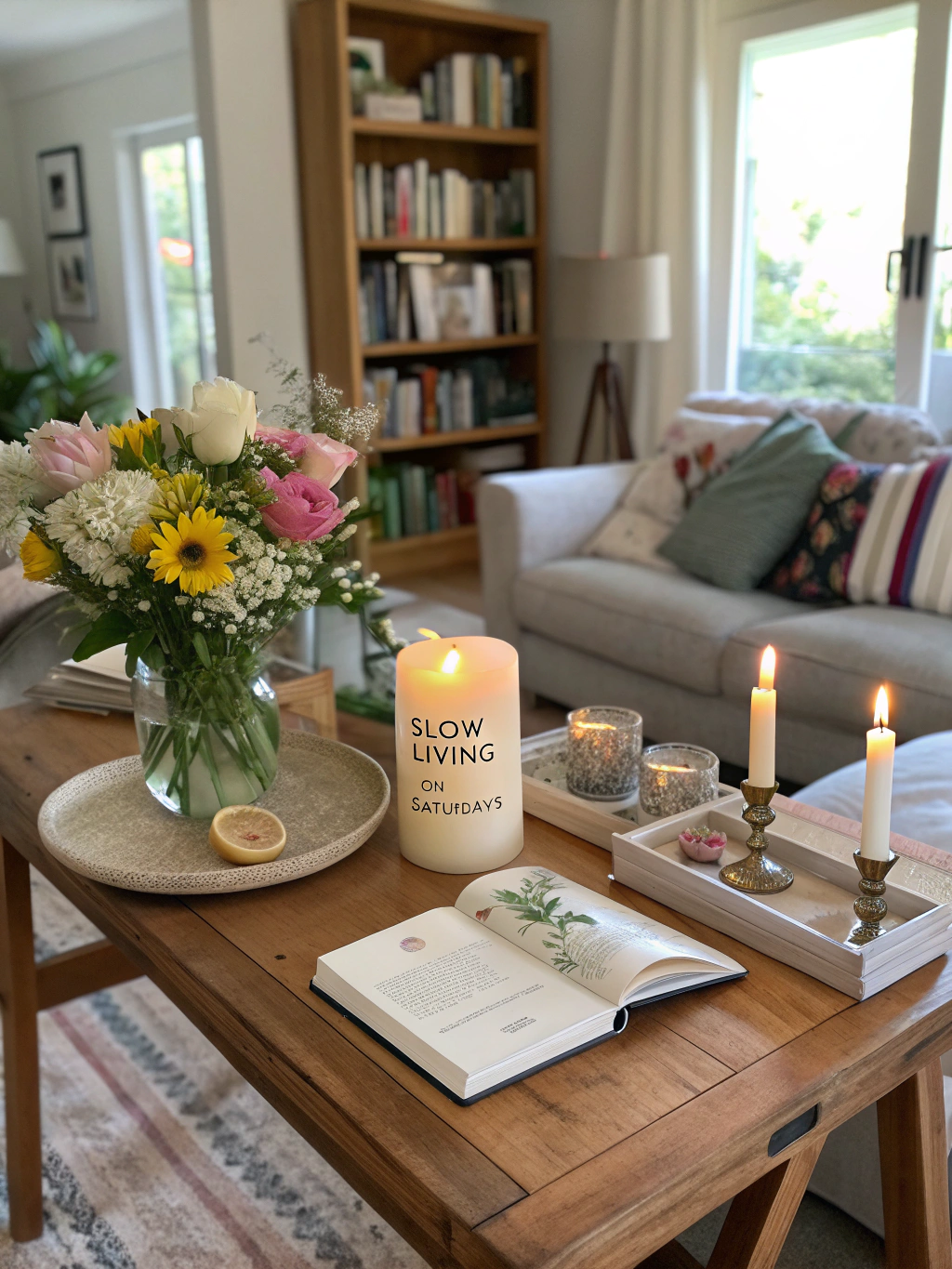
Step 1: Begin With a Mindful Morning Ritual
Instead of reaching for your phone the moment you wake up, allow yourself a gentle entry into the day. Keep your eyes closed for a moment and take three deep breaths, feeling the weight of your body against the mattress. Notice the quality of light in the room. When you're ready, stretch slowly like a cat awakening from a nap. Prepare your favorite morning beverage with full attention—watching the steam rise, noticing the sounds and smells. Sip it while gazing out a window or sitting in a comfortable spot. These mindful living tips set a calm tone for your entire Saturday.
Step 2: Practice Luxurious Bathing or Showering
Transform an everyday necessity into a sensory sanctuary. Run a warm bath with Epsom salts or essential oils, or take a slower shower than usual. Feel each sensation—the temperature of the water, the texture of soap on your skin. Apply your favorite lotion afterward, massaging it into your skin with appreciation for your body. This isn't just cleansing; it's a nourish your soul practice that honors your physical being.
Step 3: Engage in Mindful Movement
Resist the urge to power through an intense workout. Instead, choose gentle, intentional movement that connects you to your body. Try a slow yoga flow, a leisurely nature walk, or dancing to music that moves you emotionally. Focus on how your body feels rather than calories burned or steps counted. These relaxing Saturday routines allow you to honor your body's wisdom rather than forcing it into submission.
Step 4: Prepare and Enjoy a Nourishing Meal
Choose one meal to prepare with complete presence. Select ingredients thoughtfully, chop vegetables mindfully, and cook with all your senses engaged. Set your table beautifully, even if you're dining alone. Eat without screens, paying attention to flavors, textures, and the satisfaction that comes with each bite. This practice transforms eating from a rushed necessity into one of the most grounding Slow living Saturday ideas.
Step 5: Create a Reading Sanctuary
Designate 30 minutes to an hour for uninterrupted reading of a physical book (not an e-reader). Create a cozy nook with pillows, blankets, and natural light if possible. Allow yourself to be fully transported by the words on the page. This natural way to recharge activates different brain pathways than digital reading and provides genuine mental restoration.
Step 6: Practice Intentional Disconnection
Choose a period of at least two hours to completely disconnect from digital devices. Put your phone in another room, turn off notifications, and step away from screens. Instead, engage in an analog activity that brings you joy—gardening, sketching, baking, or simply sitting in contemplation. This digital sabbatical is one of the most powerful slow lifestyle habits you can develop.
Step 7: Connect Meaningfully with Others
Quality connection nourishes the soul in ways scrolling never can. Have an unhurried conversation with a loved one, write a handwritten letter, or join a small gathering where genuine interaction is possible. Focus on being fully present, listening deeply, and sharing authentically rather than performing or networking.
Step 8: End Your Day with Evening Reflection
As daylight fades, create a gentle closure to your Slow Living Saturday. Light a candle, brew a cup of herbal tea, and spend 10 minutes writing in your journal about moments you savored, sensations you enjoyed, and how slowness affected your state of being. These peaceful weekend rituals help integrate the benefits of your slow living practices.
Nutritional Info
Embracing Slow living Saturday ideas nourishes far more than just your weekend—it feeds your entire being with these evidence-backed benefits:
- Reduced cortisol levels (stress hormone) by up to 23% according to mindfulness research
- Improved sleep quality and duration
- Enhanced creativity and problem-solving capacity
- Strengthened immune system function
- Greater relationship satisfaction
- Increased feelings of gratitude and life satisfaction
- Deeper connection to your authentic needs and desires
Healthier Alternatives
If a full Slow Living Saturday feels overwhelming:
- Try a "Slow Living Hour" instead—designate just 60 minutes for intentional slowness
- For busy moms, incorporate children into slow activities like nature walks or baking
- For introverts during family gatherings, take 15-minute "slowness breaks" in a quiet space
- If you can't do Saturday, choose any day that works—"Slow Living Wednesday" is just as valuable
Serving Suggestions
Enhance your weekend self-care activities by:
- Beginning your day with a "no-plans" morning—wake naturally and follow your intuition
- Pairing slow practices with seasonal elements (warming tea in winter, outdoor meditation in spring)
- Creating a special playlist of calming music that signals to your brain "it's slow time now"
- Using aromatherapy (lavender, chamomile, or cedar) to deepen your sensory experience
- Establishing a visual reminder of your commitment to slowness (a special candle or scarf)
Common Mistakes to Avoid
- Turning slowness into an achievement: Resist the urge to "perfect" slow living or create an Instagram-worthy experience. The point is presence, not performance.
- Over-scheduling slowness: Paradoxically, planning too many slow activities creates the same time pressure you're trying to escape. Leave room for spontaneity and true rest.
- Getting discouraged by "slow living fails": If your mind wanders during meditation or you check your phone during digital detox, simply begin again with kindness.
- Comparing your slow living to others: Your version of slowness might look different from the minimalist aesthetic often portrayed online. Honor your authentic expression.
Storage Tips
To maintain your slow living practice beyond Saturday:
- Keep a "slow living toolkit" (special tea, journal, cozy socks) visible in your home
- Set a recurring calendar reminder for your Slow Living Saturday
- Create a visual anchor (like a photo or small object) on your desk to remind you of slowness during hectic workdays
- Join or create a "Slow Living Circle"—friends who check in monthly to share practices and encouragement
- Document the difference in how you feel after slow days vs. rushed days to reinforce the benefits
Conclusion
When we embrace Slow living Saturday ideas, we aren't just filling our weekend with pleasant activities—we're making a radical statement about what truly matters. In a culture that glorifies busyness and productivity, choosing slowness is an act of rebellion and self-love. These practices reconnect us to our bodies, our loved ones, and the natural rhythms that sustain us. They remind us that we are human beings, not human doings.
What Slow Living Saturday practice will you try this weekend? Your soul is waiting for this nourishment—it doesn't need to be perfect, just intentional. Your nervous system will thank you, and so might everyone who interacts with your more centered, present self.
➤ Try one of these slow living practices this Saturday and share your experience in the comments below. How did it feel to give yourself permission to slow down?
FAQs
Q: I have kids—is slow living even possible for me?
A: Absolutely! Slow living with children looks different but can be even more rewarding. Include them in sensory activities like baking bread or watching clouds. Take turns giving each parent some solo slow time. Remember, modeling slowness for children is a precious gift in our rushed world.
Q: What if my partner doesn't understand my need for slow time?
A: Communication is key. Share the benefits you've noticed when you practice slowness, and explain that you'll be more present and energized afterward. Start with small blocks of time, and invite them to try a slow activity with you that they might enjoy.
Q: I feel guilty when I'm not being productive. How do I overcome this?
A: This is incredibly common! Begin by recognizing that rest and slowness ARE productive—they're essential for your brain, creativity, and well-being. Start with shorter periods of slowness, and notice how they actually enhance your effectiveness during active times.
Q: How do I avoid falling back into old patterns after my Slow Living Saturday?
A: Try incorporating "slow moments" into regular days—a mindful coffee break, a phone-free meal, or a five-minute meditation. These "slowness anchors" throughout your week help maintain the benefits and remind you of your commitment to living differently.
Q: Can slow living practices help with anxiety and burnout?
A: Research strongly suggests yes! Mindfulness and slow living practices have been shown to decrease anxiety symptoms, improve stress resilience, and support recovery from burnout. The key is consistency—even small, regular doses of slowness can substantially impact your mental health over time.
