

10 Daily Self-Care Habits to Boost Your Mental Health
Intriguing Introduction
Are you among the 79% of women who report feeling overwhelmed by stress on a regular basis? In today's fast-paced world, it's easy to put yourself last on the priority list. Yet, incorporating daily self-care habits into your routine isn't just a luxury—it's essential for your mental wellbeing. These small, intentional actions can create a foundation of emotional stability even during life's most challenging moments. Today, I'm sharing ten powerful yet simple practices that can transform how you feel each day.
Ingredients List

To create a powerful mental health routine, you'll need:
- A quiet space where you won't be interrupted
- 5-30 minutes of dedicated time (depending on the practice)
- A journal or note-taking app
- Comfortable clothes
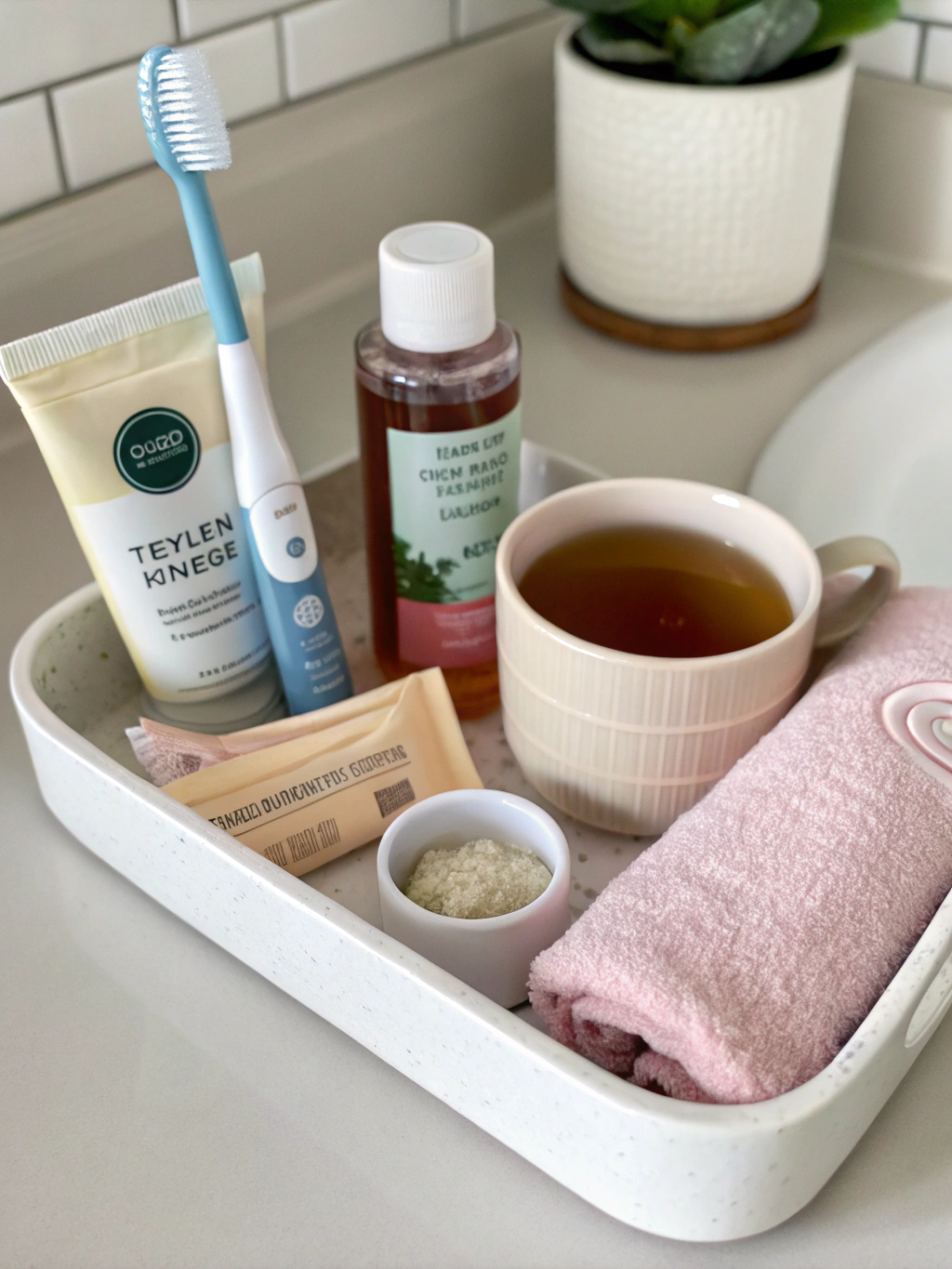
- Optional: meditation cushion, calming essential oils, or a favorite tea
- Most importantly: compassionate intention toward yourself
These daily self-care habits don't require expensive tools or elaborate setups—just your presence and willingness to prioritize your wellbeing.
Timing
The beauty of these mental wellness practices is their flexibility. Each habit takes between 5-15 minutes, though you can extend them if you have the luxury of time. The morning mindfulness practice? Just 5 minutes—less time than it takes to make coffee. The evening reflection? 10 minutes—shorter than watching a single YouTube video. Altogether, implementing all ten habits would take about 60-90 minutes spread throughout your day, but remember: even practicing one or two consistently will create meaningful shifts in your mental landscape.
Step-by-Step Guide
1. Morning Mindfulness
Begin your day with intentionality rather than reaching for your phone. Sit comfortably, close your eyes, and take 10 deep breaths. Notice how your body feels, acknowledge any thoughts without judgment, and set a gentle intention for your day. This simple practice activates your parasympathetic nervous system and creates a calm foundation for whatever lies ahead.
2. Hydration Ritual
Transform the simple act of drinking water into a moment of self-care. Start your day with a full glass of water before anything else, pausing to express gratitude for this nourishment. Stay hydrated throughout the day, knowing that proper hydration significantly impacts mood regulation and cognitive function.
3. Movement Medicine
Incorporate at least 15 minutes of movement you genuinely enjoy. This isn't about intense workouts unless that's what fills your cup. Dancing to your favorite song, gentle stretching, or a short walk in nature all count as powerful daily self-care habits. Movement releases endorphins and helps process emotions that might otherwise remain trapped in your body.
4. Boundary Setting Practice
Each day, practice saying "no" to one thing that doesn't serve your wellbeing. This might mean declining an additional work project, postponing a non-urgent social commitment, or simply turning off notifications during dinner. Remember that boundaries aren't selfish—they're necessary components of mental health self-care tips.
5. Nature Connection
Spend at least 10 minutes outside daily, regardless of weather. Research consistently shows that nature exposure reduces cortisol levels and improves mood. Notice the sky, listen for birds, feel the breeze—using all your senses helps anchor you in the present moment and interrupt rumination cycles.
6. Digital Detox Window
Designate at least one hour daily as screen-free time. During this period, engage with tangible aspects of life—prepare a nourishing meal, read a physical book, or have an uninterrupted conversation. This practice helps reset dopamine pathways and reduces the anxiety often associated with constant connectivity.
7. Gratitude Practice
Take three minutes to write down three specific things you're grateful for today. Rather than broad categories, focus on precise moments—the warmth of sunshine through your window, a kind text from a friend, or successfully navigating a challenging conversation. This daily self-care habit literally rewires your brain to notice positive experiences more readily.
8. Self-Compassion Break
When facing a difficult moment, practice Kristin Neff's self-compassion technique: acknowledge your suffering ("This is really hard right now"), remember your shared humanity ("Others feel this way too"), and offer yourself kindness ("May I be gentle with myself through this"). This simple practice transforms how you relate to inevitable struggles.
9. Evening Reflection
Before sleep, reflect on three things that went well today and why they matter to you. This doesn't deny challenges but ensures you're not exclusively focusing on problems. This practice improves sleep quality by shifting your mind toward positive thought patterns.
10. Bedtime Ritual
Create a consistent sleep routine that signals to your body it's time to rest. This might include lowering lights, enjoying calming tea, reading something uplifting, or practicing light stretches. Quality sleep is perhaps the most powerful daily self-care habit for mental resilience.
Nutritional Info
Implementing these practices consistently nourishes your mental health with:
- Reduced anxiety and stress levels (studies show mindfulness practices can lower anxiety by up to 58%)
- Improved sleep quality and duration
- Enhanced emotional regulation and resilience
- Increased self-awareness and self-compassion
- Stronger immune function through reduced stress hormones
- Greater sense of agency and purpose
- Improved relationship satisfaction and communication
Healthier Alternatives
For busy moms: Break these practices into 2-3 minute "micro-doses" throughout the day. Practice mindfulness while waiting in the school pickup line or incorporate movement by dancing with your children.
For those with demanding work schedules: Integrate practices into existing routines—practice gratitude during your morning commute or take boundary-setting breaks between meetings.
For those managing mental health conditions: Start with just one practice daily. Consistency with a single habit is more beneficial than attempting all ten sporadically.
Serving Suggestions
Morning Pairing: Combine morning mindfulness with your favorite warm beverage, creating a ritual that feels nourishing rather than another "to-do."
Midday Reset: Pair your nature connection with a healthy lunch break to completely refresh your mental energy.
Evening Wind-Down: Combine your digital detox, gratitude practice, and bedtime ritual for a powerful evening sequence that promotes restorative sleep.
Common Mistakes to Avoid
- Approaching self-care as "all-or-nothing" – Even one mindful breath counts as progress
- Treating practices as achievements rather than processes – The goal is presence, not perfection
- Using self-care to avoid necessary emotional processing – These practices complement rather than replace addressing underlying issues
- Comparing your practice to idealized versions on social media – Your authentic routine is inherently valuable
- Abandoning habits after missing a few days – Consistency over time matters more than unbroken streaks
Storage Tips
To maintain motivation for your daily self-care habits:
- Create visual reminders—sticky notes on your mirror or scheduled alerts with encouraging messages
- Track your practices in a dedicated journal to visualize your commitment
- Find an accountability partner to check in with weekly
- Prepare items needed for morning practices the night before
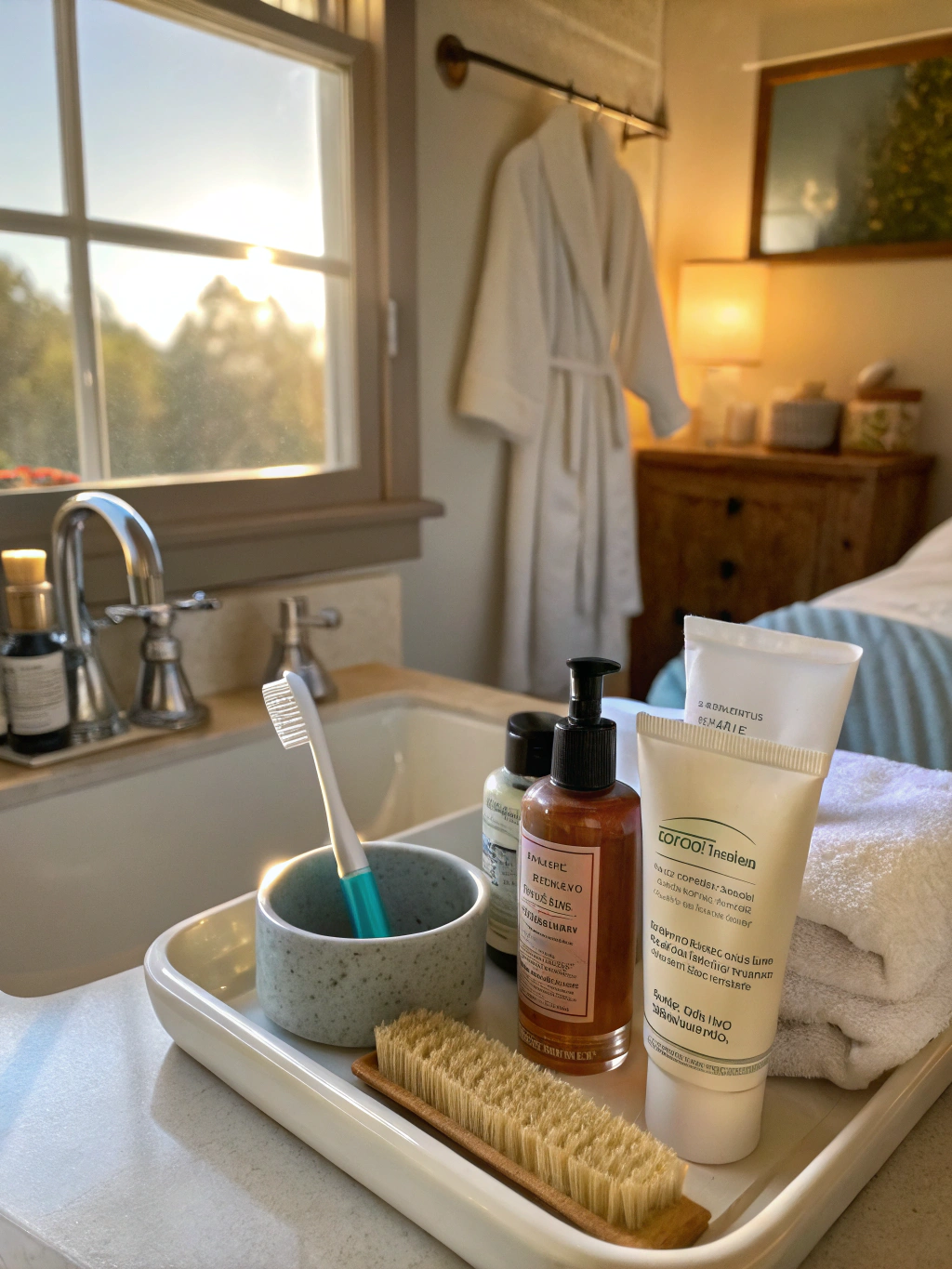
- Create a dedicated "self-care corner" in your home with all necessary items readily available
Conclusion
These ten daily self-care habits aren't merely nice additions to your routine—they're fundamental practices that build mental resilience, emotional regulation, and genuine wellbeing. The beauty lies in their simplicity and accessibility, regardless of your life circumstances. Remember that self-care isn't selfish—it's the foundation that enables you to show up authentically in all areas of your life. Progress isn't linear, and compassion toward yourself during the implementation process is itself a powerful practice.
➤ Which of these habits will you begin today? Share your experience in the comments below—your journey might inspire someone else to take that first step toward better mental health.
FAQs
How long will it take to see benefits from these self-care practices?
Many people notice immediate benefits like reduced anxiety after single sessions of mindfulness or movement. However, the cumulative benefits like improved emotional regulation typically develop after 3-4 weeks of consistent practice.
I'm too busy for all ten habits. Where should I start?
Begin with morning mindfulness and one other practice that particularly resonates with you. Even these two habits, practiced consistently, can significantly impact your wellbeing.
Can these practices replace therapy or medication for mental health conditions?
While these daily self-care habits complement professional treatment, they're not substitutes for therapy or prescribed medication. Consider them supportive practices within a comprehensive approach to mental health.
How can I remember to practice these habits consistently?
Anchor new habits to existing routines—practice gratitude after brushing your teeth or mindfulness before your first sip of coffee. Using habit-stacking makes new practices more sustainable.
What if self-care activities make me feel more anxious?
Start with gentler practices like brief nature connections or simple hydration rituals. Some people find silence or meditation initially challenging—it's perfectly valid to begin with active self-care forms and gradually introduce stillness as you become more comfortable.
